
What is a good natural shampoo without junk?
More and more people want to wash their hair with shampoo without chemicals. The chemical junk that is often added to shampoo
More and more people are looking to care for their hair with shampoo without chemicals. The chemical substances often added to shampoo can be irritating. Shampoo filled with chemical ingredients can even lead to dry hair in the long run.
People use natural shampoo for various reasons, including:
- Avoiding harsh chemicals: Natural shampoo is made with ingredients derived from plants and other natural sources, instead of synthetic chemicals that can be harsh and drying to the scalp and hair.
- Gentle cleansing: Natural shampoo is formulated to be mild and gentle on hair and scalp, which can prevent damage and keep hair looking healthy.
- Supporting hair health: Some natural ingredients, such as rosemary and sage, can support hair health and prevent hair loss.
- Ethical considerations: Some people choose natural shampoo due to concerns about animal testing or the use of harmful chemicals in personal care products.
Why use a sulfate-free shampoo?
Sulfates are widely used in shampoos due to their ability to effectively clean hair. Sulfates, such as sodium lauryl sulfate (SLS) and sodium laureth sulfate (SLES), are powerful surfactants that can create a rich lather, helping to remove impurities from hair and scalp.
Another reason sulfates are used in shampoos is their relatively low cost and easy availability. Sulfates are commonly used in many personal care and cleaning products, making them a popular ingredient choice for manufacturers.
However, it is important to note that not all sulfates are the same and some people may experience negative effects when using shampoos containing sulfates. Some people with sensitive scalps may experience irritation, itching, or dryness, while others may find that sulfates strip their hair of its natural oils, leading to dryness, frizz, and breakage.
Some people prefer to use sulfate-free shampoos because they believe that sulfates can be harsh and drying to the hair and scalp. Sulfates are known for their cleansing properties, but they can strip hair of its natural oils and cause irritation in people with sensitive scalps.
Furthermore, sulfates have been shown to cause color fading in dyed hair, so some people opt for sulfate-free shampoos to maintain the vibrancy of their color. People with curly or textured hair may also prefer sulfate-free shampoos, as sulfates can be particularly damaging to these hair types and can cause breakage and frizz.
It is important to note, however, that not all sulfates are the same and some people can use sulfate-containing shampoos without issues. Ultimately, the best shampoo for an individual will depend on hair type, scalp sensitivity, and personal preferences.
Why use a paraben-free shampoo?
Parabens are a type of preservative often used in cosmetics, personal care products, and food to prevent the growth of bacteria, yeasts, and molds. They are frequently added to shampoo to extend its shelf life. Some of the most common parabens used in personal care products include methylparaben, propylparaben, butylparaben, and ethylparaben.
Parabens have been controversial in recent years due to concerns about their potential health effects. Studies have shown that parabens can disrupt the endocrine system and may potentially be linked to breast cancer, although more research is needed to fully understand the effects of parabens on human health.
As a result of these concerns, many people choose to use personal care products that are free of parabens and other potentially harmful chemicals. However, it is important to note that parabens have been deemed safe for use by regulatory bodies in many countries, including the FDA in the United States.
People choose paraben-free shampoo for several reasons, including:
- Health concerns: Parabens are a type of preservative that has been linked to endocrine disruption and breast cancer. While more research is needed to fully understand the effects of parabens on human health, some people choose to avoid them as a precautionary measure.
- Personal preference: Some people prefer products that are free from potentially harmful chemicals, such as parabens, and opt for natural or organic products instead.
- Allergic reactions: Some people may have allergies to parabens, which can cause itching, redness, and other symptoms. Using a paraben-free shampoo can help prevent these reactions.
Why use a silicone-free shampoo?
Silicones are often used in shampoos and other hair care products as a conditioning agent. Silicones have a unique molecular structure that allows them to form a smooth, protective layer over the hair shaft, which can improve hair's texture, shine, and manageability. They can also help reduce frizz and flyaways, and provide a smoother surface for easier styling.
Another reason silicones are used in shampoos is because they are water-resistant, making them effective in improving the overall health and appearance of hair. When used in combination with other hair care products, silicones can help create a long-lasting, protective barrier that can shield hair from environmental damage, such as exposure to heat, humidity, and pollutants.
However, many people can experience negative effects when using silicones in their hair care routine, such as clogged pores. Some people find that silicones can leave their hair feeling heavy or greasy, or that they can cause hair to become dull and lifeless in the long run.
-
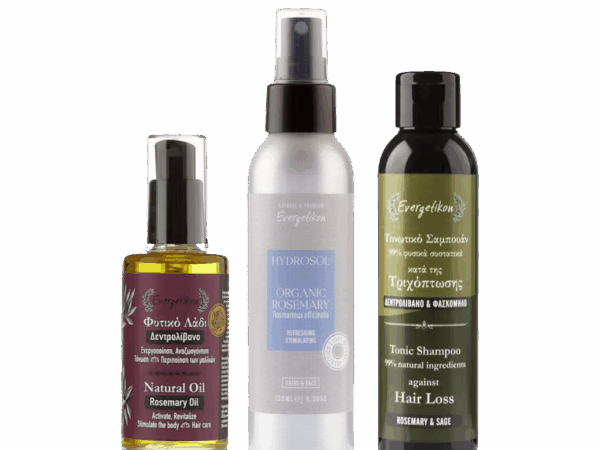 Complete Rosemary Routine – Evergetikon€42,95 Incl. BTW
 -
Product on sale
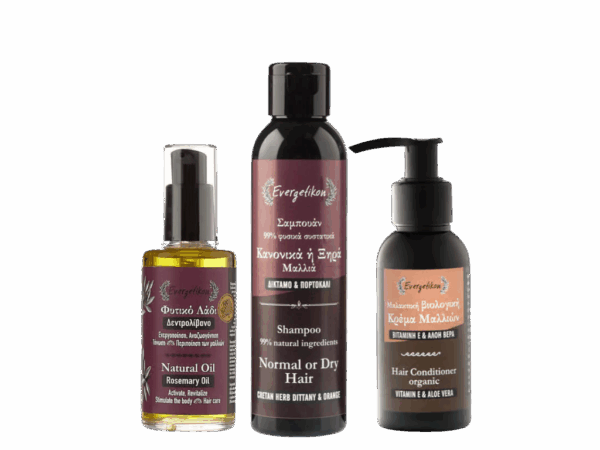 Hair Care Set – Dry Hair – EvergetikonOriginal price was: €40,85.€34,95Current price is: €34,95. Incl. BTW
 -
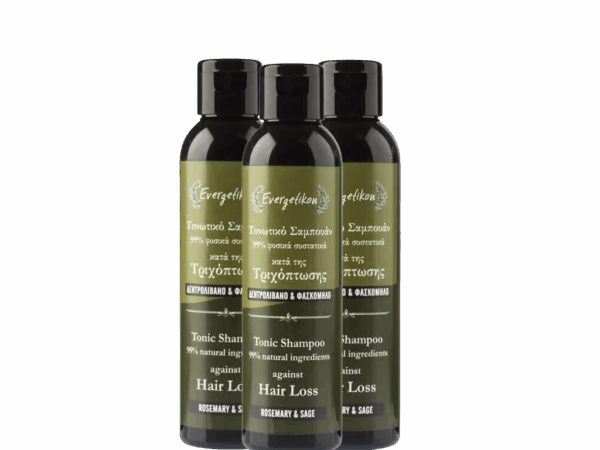 Evergetikon – Rosemary shampoo – Set of 3€27,95 Incl. BTW
 -
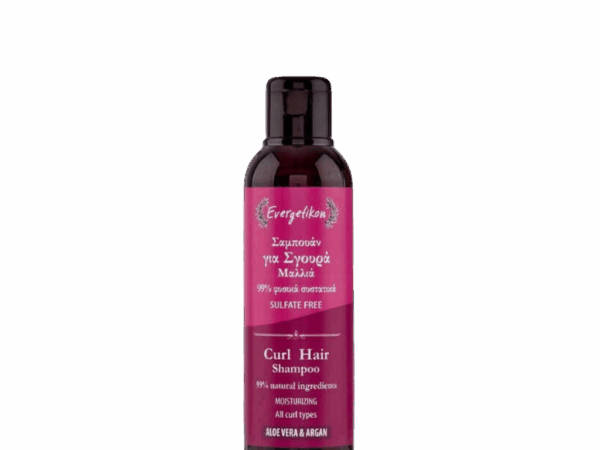 Shampoo for curly hair – Evergetikon€11,95 Incl. BTW
 -
Product on sale
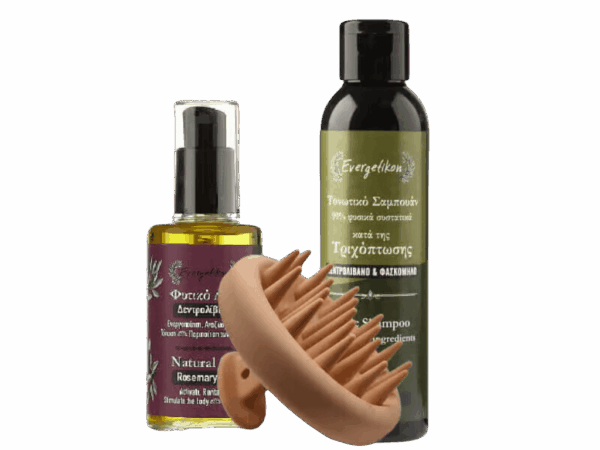 Rosemary oil + Rosemary shampoo + Scalp brushOriginal price was: €36,85.€31,95Current price is: €31,95. Incl. BTW
 -
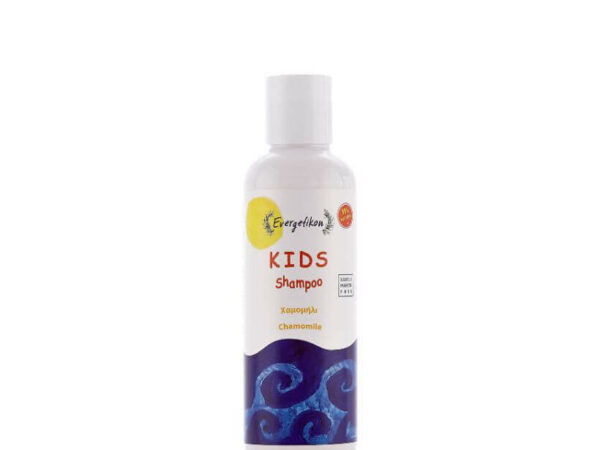 Children's shampoo – 150ml – Evergetikon€9.00 Incl. VAT
 -
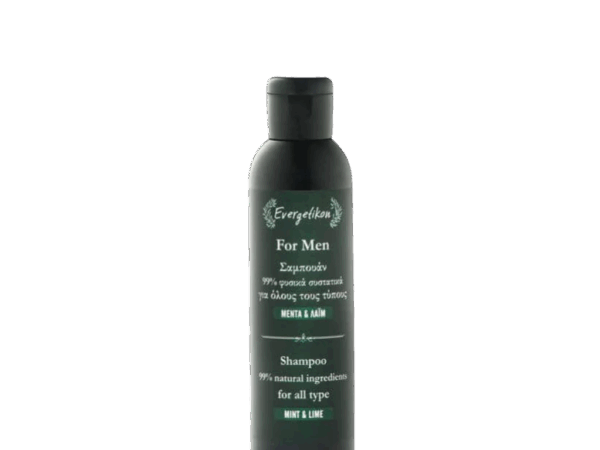 Natural shampoo for men – Evergetikon€11.95 Incl. VAT
 -
Product on sale
 Hair Care Set – Against Hair Loss – Rosemary – EvergetikonOriginal price was: €40.85.€34.95Current price is: €34.95. Incl. VAT
 -
Product on sale
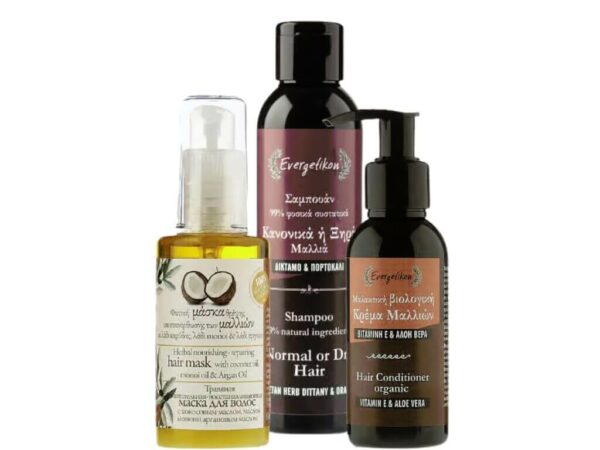 Hair Care – Neutral Set -EvergetikonOriginal price was: €40.85.€34.95Current price is: €34.95. Incl. VAT