
The Pros and Cons of St. John's Wort Oil
St. John's Wort oil is a popular natural remedy often used to treat mild to moderate depression. Although this oil
St. John's wort oil is a popular natural remedy often used to treat mild to moderate depression. While this oil offers many benefits, there are also some drawbacks to consider before using it. In this article, we discuss both the pros and cons of St. John's wort oil and explain how to use it safely.
Benefits of St. John's wort oil
St. John's wort oil has been used for centuries as a natural remedy for various conditions, including mild to moderate depression, anxiety, insomnia, and nerve pain. Here are some of the main benefits of St. John's wort oil:
- Relieves depression: St. John's wort oil is often used as a natural alternative to antidepressants. It can help alleviate symptoms of mild to moderate depression, such as fatigue, irritability, mood swings, and sleep problems.
- Improves sleep: St. John's wort oil can help promote better sleep. It can reduce the time it takes to fall asleep and improve overall sleep quality.
- Relieves anxiety: St. John's wort oil can also help reduce anxiety symptoms, including nervousness, tension, and restlessness.
- Relieves pain: St. John's wort oil can help alleviate pain caused by nerve pain, joint pain, and menstrual cramps.
- Natural remedy: St. John's wort oil is a natural remedy without side effects, unlike many medications prescribed for depression, anxiety, and pain.
Disadvantages of St. John's wort oil
While St. John's wort oil has many benefits, there are also some drawbacks to consider before using it. Here are some of the main disadvantages of St. John's wort oil:
- Interactions with medications: St. John's wort oil can interact with many different types of medications, including birth control pills, antidepressants, blood thinners, and some medications for treating HIV/AIDS. It is important to talk to your doctor before using St. John's wort oil if you are currently taking medications.
- Phototoxicity: St. John's wort oil can be phototoxic, meaning it can make your skin more sensitive to sunlight and you may experience sunburn or a rash. It is recommended not to use the oil before going outside or to wear sunscreen if you use St. John's wort oil.
- Side effects: Although St. John's wort oil has no serious side effects, some people may experience mild side effects such as stomach upset, headache, dizziness, and dry mouth. It is important to consult your doctor before using St. John's wort oil if you are pregnant, breastfeeding, have a chronic medical condition, or are taking medications.
- Dosage: It is important to use the correct dosage of St. John's wort oil to reduce the risk of side effects. Using too much of the oil can lead to serious side effects, including nausea, vomiting, diarrhea, confusion, and hallucinations. It is recommended to follow the dosage as indicated on the package or as prescribed by your doctor.
- How to use St. John's wort oil safely
- If you decide to use St. John's wort oil, there are several steps you can take to ensure you use it safely:
- Talk to your doctor: It is important to consult your doctor before using St. John's wort oil if you are currently taking medications or have a chronic medical condition. Your doctor can help you determine if St. John's wort oil is safe for you and can advise you on the correct dosage.
- Choose a reliable source: Buy St. John's wort oil from a reliable source to ensure you get a high-quality product. Check the ingredient list to make sure no other ingredients have been added to the oil.
- Use the correct dosage: Follow the dosage instructions as indicated on the package or as prescribed by your doctor. Do not use more than the recommended dosage unless your doctor advises you otherwise.
- Avoid prolonged use: It is recommended not to use St. John's wort oil for longer than 8 weeks at a time. Prolonged use can lead to side effects and can also reduce the effectiveness of the oil.
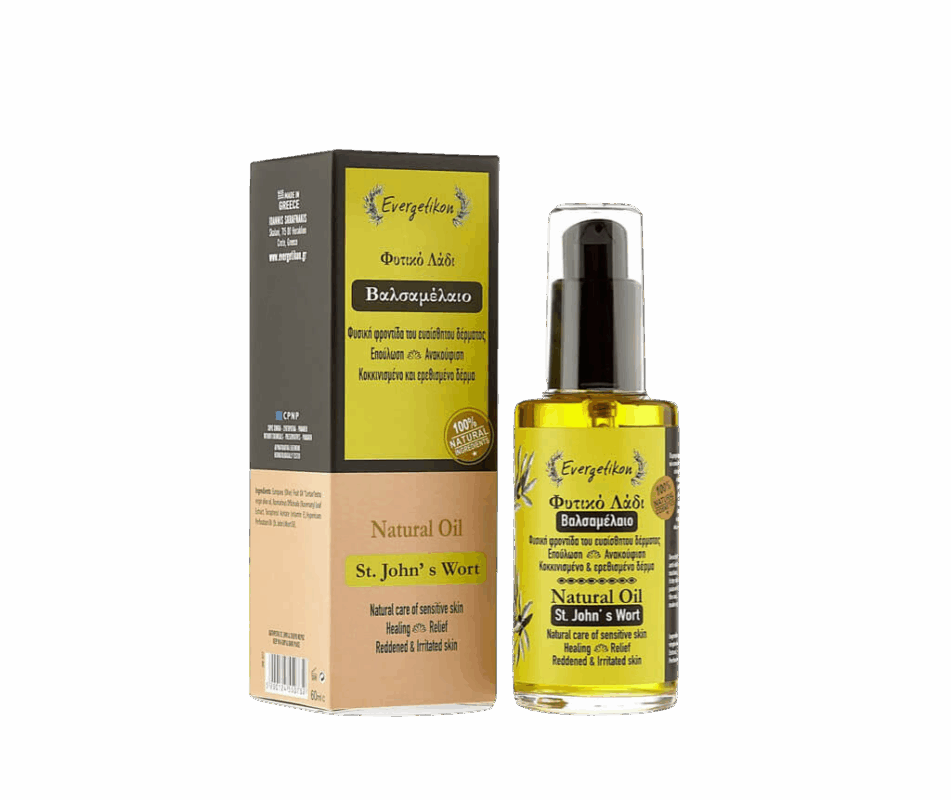
St. John's wort oil – 100% Natural – Evergetikon
Do you want to buy St. John's wort oil that helps calm the skin and relax muscles? Our 100% natural oil from Evergetikon contains pure extracts of St. John's wort and extra virgin olive oil – ideal after exertion or for sensitive skin.